My indigo practice starts with planting seeds. I am often asked what is my favorite part of it all. I actually love everything! planting the indigo, working in the field, composting sukumo, building the vats, and making shibori. It does not feel like shibori is an end result of all my work, but rather something beautiful I can put out in the world.
Looking at a plain blue sky is nice, but I really love looking at skies with various shapes and patterns in it. The clouds make the blue stand out and reveal its depth. When I work with shibori, it feels like I am giving the blue some texture, similar to the clouds in the sky.
The balance of the indigo and the white, this makes us appreciate the blue in a different way.
My shibori teacher is Yasuko Murai. Meeting her has given my life so much texture! Without her, I could simply do no shibori. Her studio in Tokyo is where I study with her. She teaches techniques but she also knows the perfect balance, she teaches us how to find and express ourselves through all the stitching. She can be strict some days but mostly is full of love. I cannot express the gratitude I have for having met this beautiful human in this life.
When I think about it, I have always liked doing things with my hands. I really cannot draw but I loved pottery, and I always have learned crafts that became part of my everyday life, like knitting or weaving. I never felt like I wanted to be an artist but it is through working with indigo that for the first time, I could see beauty in something I had created.
What I probably love the most about shibori is the time it takes. It takes so much time, stitch by stich, breath by breath. We are simply not used to living in this time frame. Shibori has the capacity to bring us to a complete different time dimension. From coming up with the design for the fabric, to the stitching, repeated dyeing, multiple rinsing, undoing the stitches one by one, it requires a lot of time and a lot of attention. Stitch by stitch, concentration is important in every step. There is no way one can be a little lazy without it showing in the fabric in the end. It is truly a practice like a mirror of the heart. Rushing is not an option. I love that, and I love sharing that with others. More than once, I have experience rushing wanting to see the end result quickly and the color ended up too light, or wanting to cut the thread too quickly, I cut a hole in my fabric!!! There is so much too learn in this practice.
For me, working in the field, stitching shibori, making sukumo, and dyeing are all ways to connect with all who have done this in the past, not only the people, but the culture, the energy of the people who have kept this tradition alive through time. My work stems from deep respect and gratitude for these people and times and I never feel alone, as though I am really accompanied in my process. It is such a strange but good feeling.
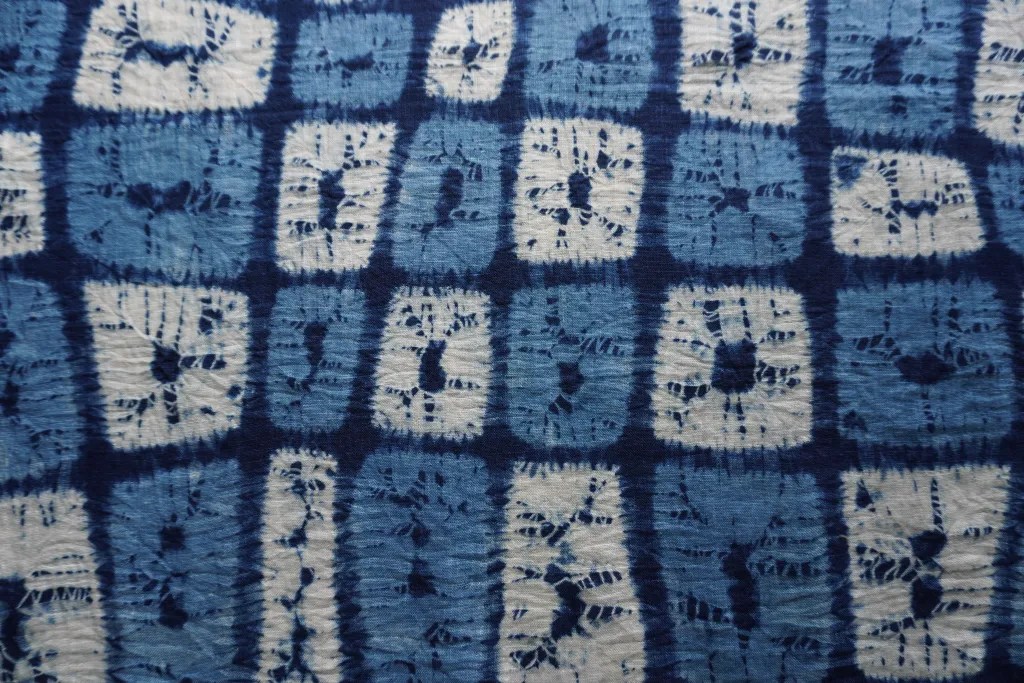
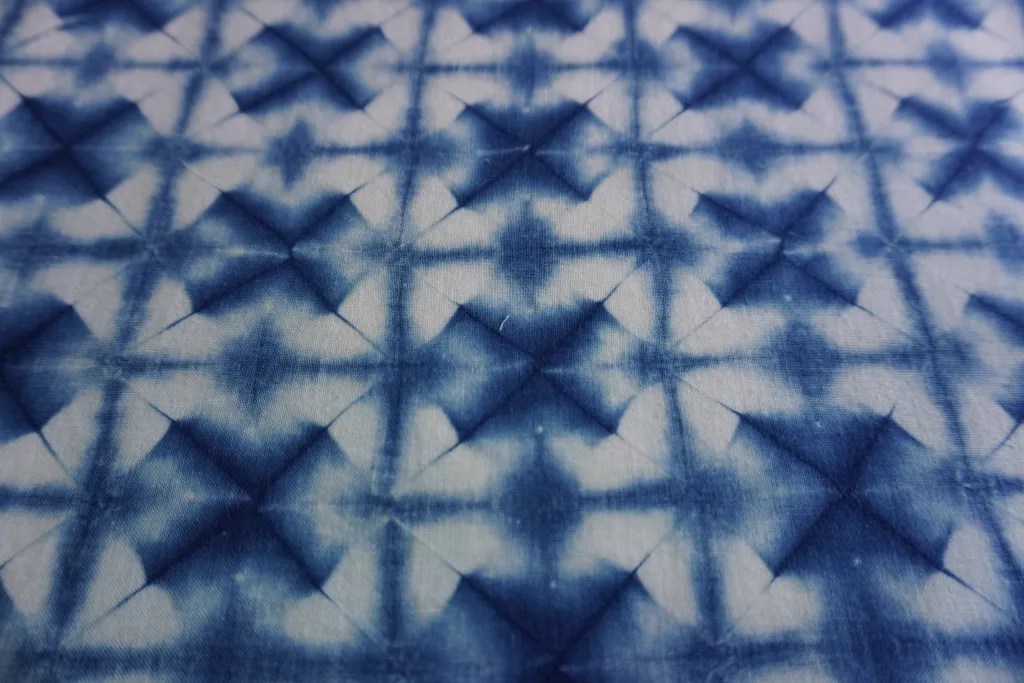
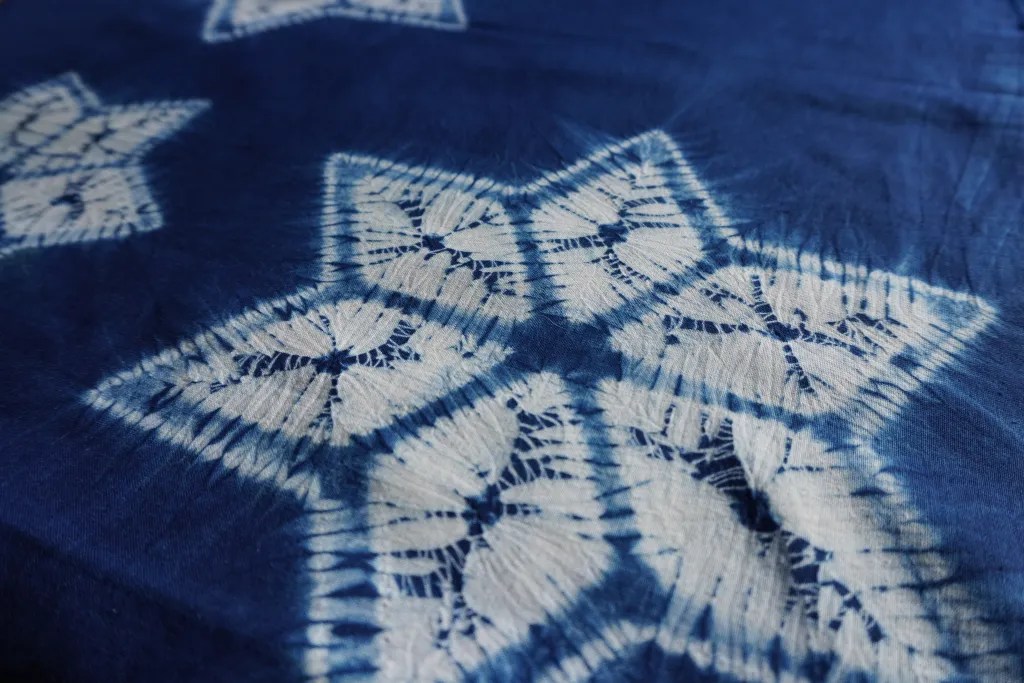
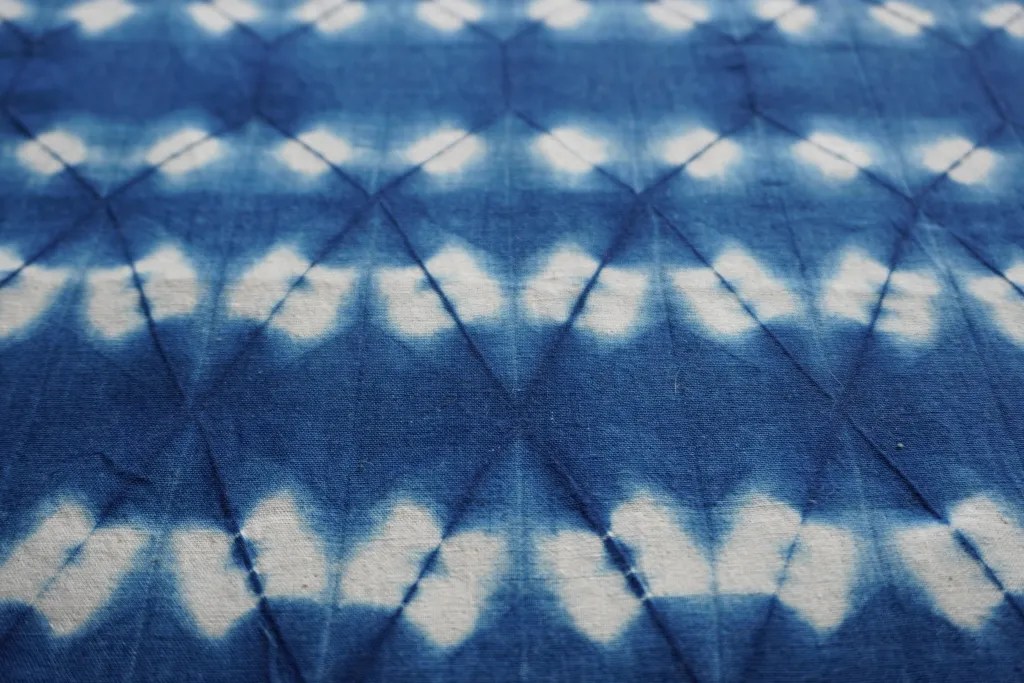
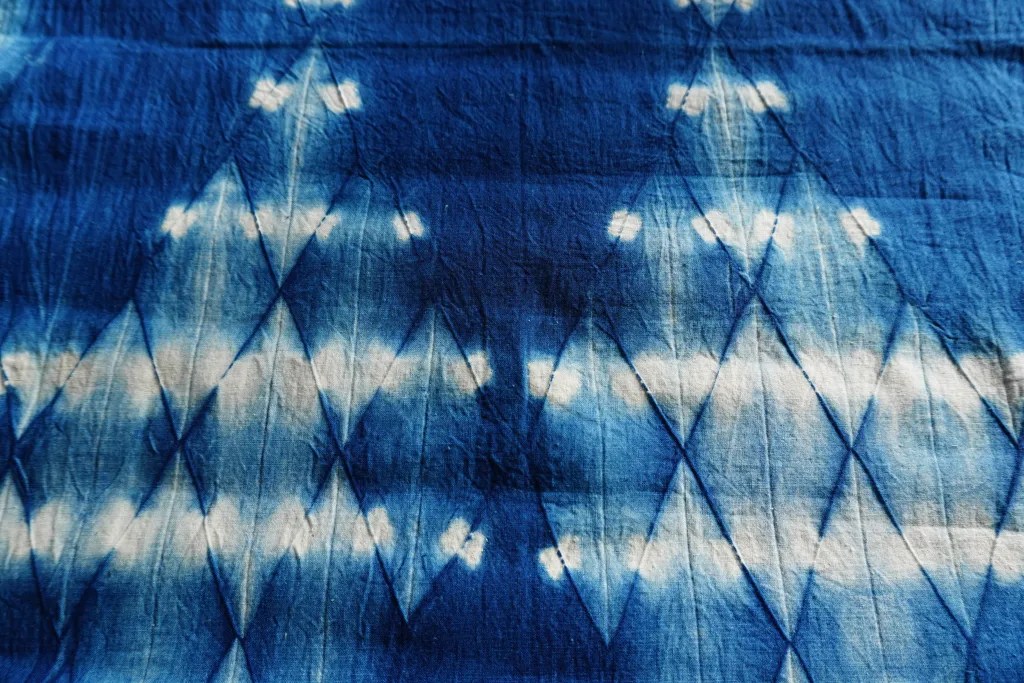
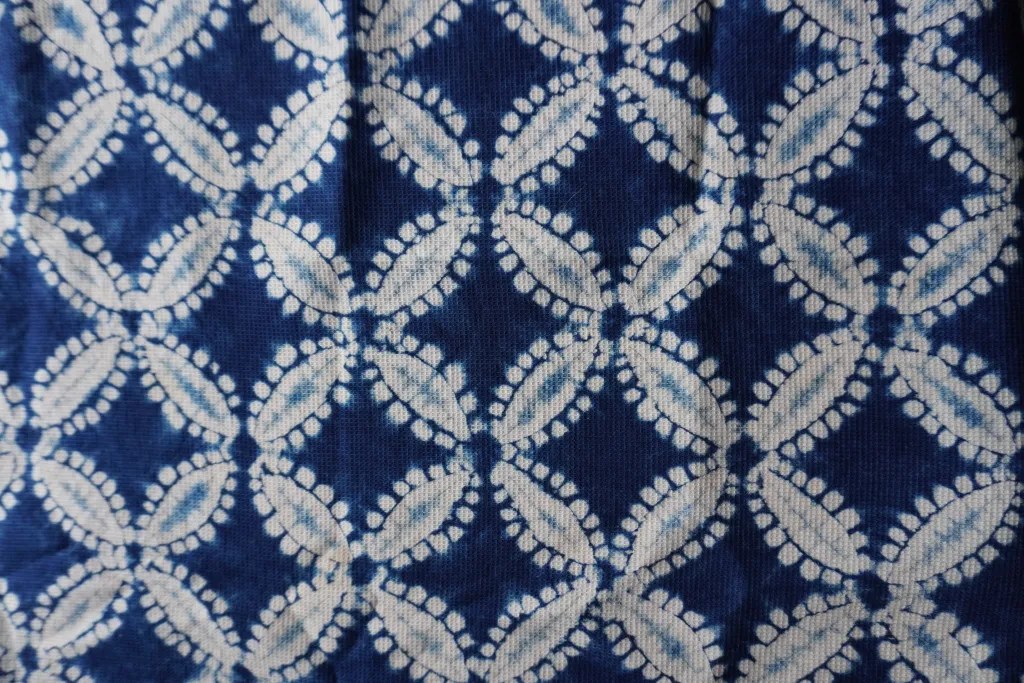
Here are some examples of cloth I have dyed in the past:




 ainisomatte